
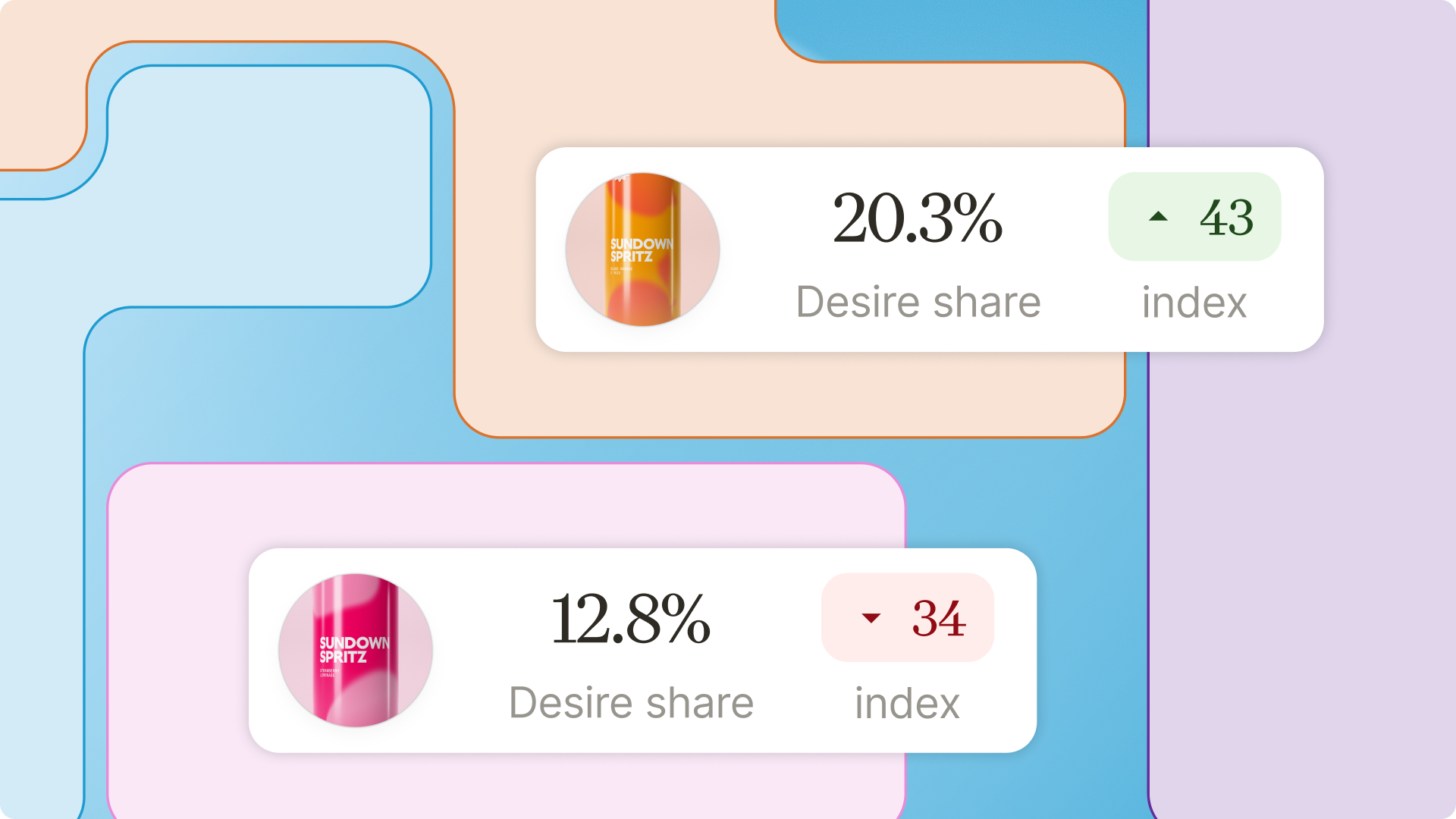
Our Customers Needed A Bigger Picture, So We Built A New Product For It
Our customers’ biggest problem was never a lack of research capability. It was a lack of category and commercial context to brief and test against.
We kept seeing teams test ideas without knowing whether they were targeting the right customer segments, occasions or needs. Usage and attitude studies, or U&A studies, often sat in a silo, disconnected from the testing they were supposed to inform. These are large research studies designed to give businesses a broad understanding of how people use a product or service, what they think about the category and what drives their behaviour.
We saw the problem in how customers were pushing the boundaries of Ideally. Treasury Wine Estates was looking for consistent commercial signals across a large portfolio project. Another customer had gathered a wealth of discovery data, then found themselves using Excel and Miro to piece it all together.
At the other end of the spectrum were Demand Landscape studies costing upwards of $300,000 and taking six months to complete. These studies map the different needs, occasions and motivations that drive demand within a category, helping businesses understand where the biggest commercial opportunities exist. They can be incredibly valuable, but too often we saw all that knowledge end up in a large research report that struggled to become part of everyday decision-making.
There was clearly a gap to close.
Building the bigger picture
That gap became Ideally Canvas.
Canvas centralises category intelligence so insights teams and marketers can connect the data sitting across different studies and turn it into a commercial view of their category.
The ambition was to take the power of those complex Demand Landscape studies, standardise the approach and make the resulting intelligence accessible to far more people. Instead of category knowledge sitting inside a large research report or across disconnected projects, it could become something teams continually use to understand their customers, identify opportunities and make better decisions.
It sounded straightforward. Building it taught us otherwise.
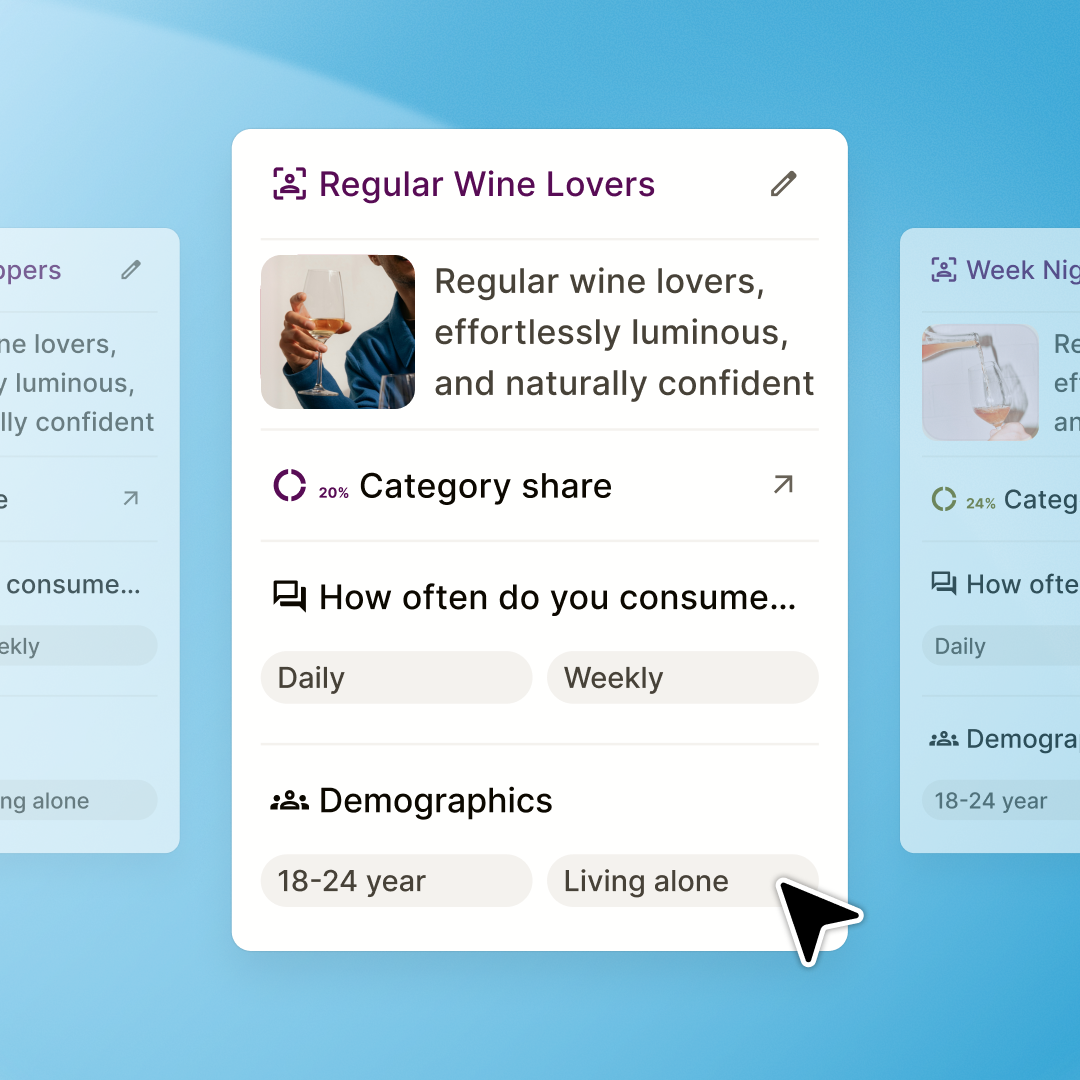
The first version showed us what was missing
There is an inherent tension in taking something complex and making it useful to a much broader audience.
When we put the first version of Canvas in front of customers, experienced insights practitioners understood it immediately. They knew the methodology, knew what questions to ask of the data and knew how to find the information they needed.
Marketers had a different response.
They wanted the commercial understanding Canvas could give them, but they needed the product to do more of the work connecting the information to their questions and needs. We couldn’t assume every user would know which buttons to push or where to look to uncover the nugget that mattered.
That was valuable feedback because it clarified the next problem we had to solve: making sophisticated category intelligence feel simple to navigate and immediately useful to people who aren’t research experts.
Of course, there was a cost to learning that. We had already invested in building and launching a product that we knew needed more work.
But we learned it with a working product in customers’ hands. That meant we knew exactly where the gap was, potentially a year earlier than if we’d kept building behind closed doors trying to perfect it ourselves.
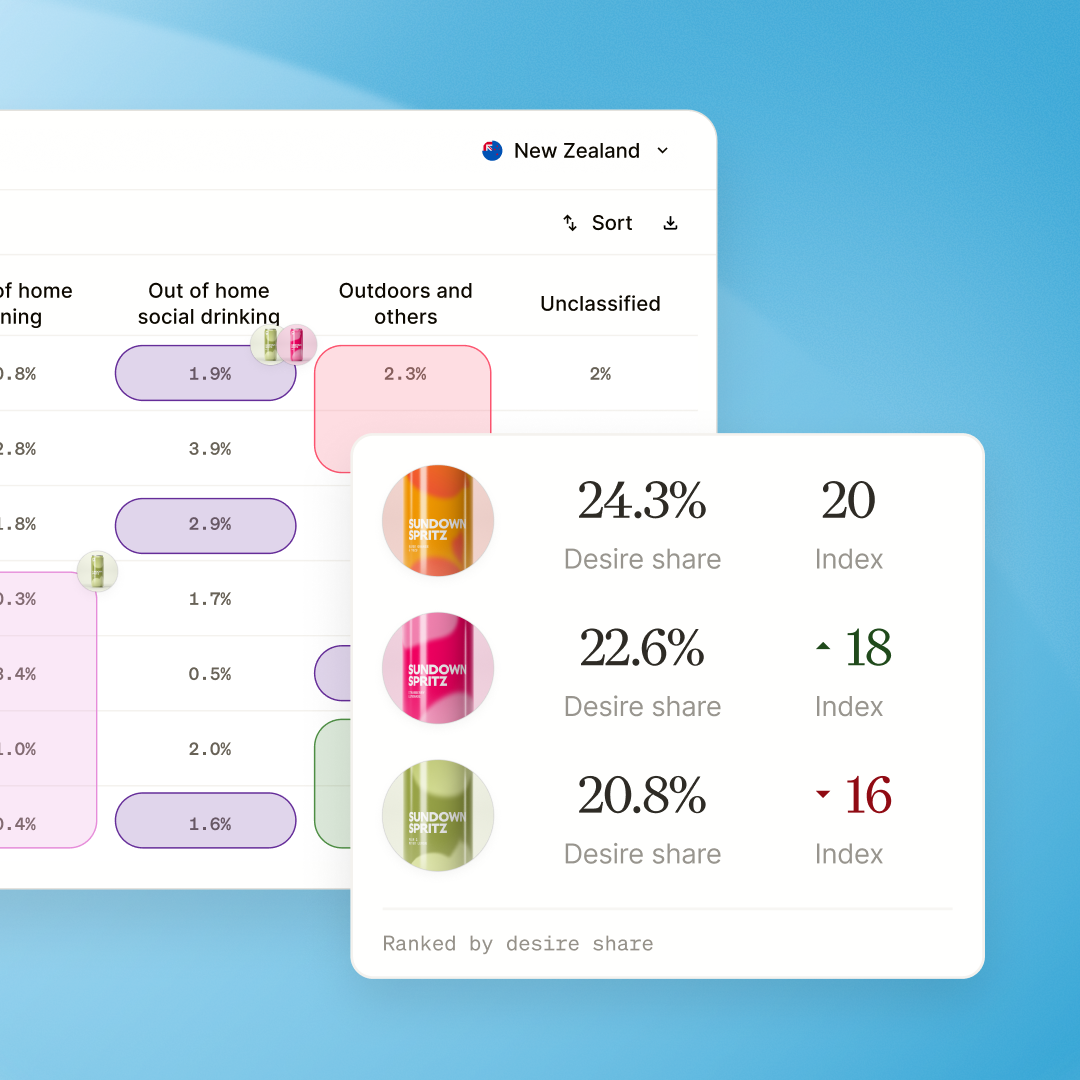
What happened next
Since that initial launch, Canvas sign-ups have tripled compared with the beta base, and we’ve expanded beyond the three categories we started with into areas including telco, banking and logistics.
More importantly, we’re seeing what happens when category intelligence becomes part of how teams actually work. Canvas customers now have more than twice the monthly active users of customers without Canvas.
The product itself continues to evolve alongside that adoption. We’re working through features that allow Canvas to serve more users and use cases, while simultaneously making the experience simpler.
That second part is deceptively difficult. Simple products rarely start simple. You usually arrive at simplicity after watching people use something, understanding where they get stuck and removing the complexity they shouldn’t have to deal with in the first place.
A launch is the start of the feedback loop
Canvas reinforced something we’ve believed since starting Ideally: launching a product is continuous rather than a single event.
I was personally involved in more than ten customer conversations during the discovery phase as we worked out the direction for Canvas. Once we had a prototype, those conversations became much more useful because customers had something tangible to respond to.
Then we launched, equipped the sales team with collateral and educated the wider business on the product. Suddenly, many more customers and prospects were interacting with Canvas and giving us feedback.
That is exactly what you want. The faster you can increase the number of people engaging with a working product, the faster you can identify patterns and tighten the iteration loop.
We knew Canvas wouldn’t be exactly right at first launch. But we’d done enough work to know we weren’t wrong about the underlying problem. There is an important difference between the two.
It reminds me of launching Ideally itself. We started with ten early adopter customers, no brand, no website and no working product. What we had was a problem we believed was worth solving and enough customer evidence to start moving towards a solution.
Canvas has followed the same principle at a different scale: discover the opportunity, get something real in front of customers and then use their behaviour and feedback to hone in on the solution.

Launch before you’ve answered every question
The lesson from Canvas will shape how we launch products from here, although I don’t think the process fundamentally changes.
We’ll keep doing the work upfront to make sure we’re solving a real customer problem. We’ll keep getting prototypes into people’s hands as early as we can, this new AI enabled world makes that so much easier than before. And we’ll keep treating launch as the point where the learning accelerates, rather than where it ends.
There is always a temptation to keep building until you think you’ve answered every question.
In my experience, the fastest way to find the questions that actually matter is to give customers something real to respond to.


